
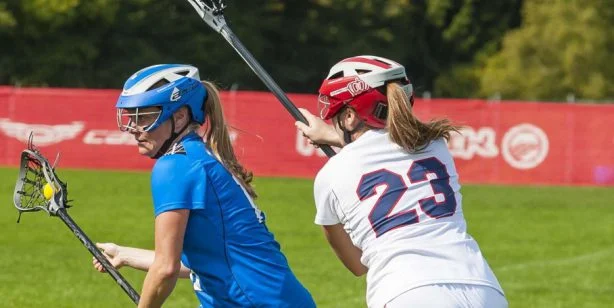
As a professional lacrosse coach, I always remind players that safety comes first. In women’s lacrosse, there is less physical contact than in men’s lacrosse, but accidents can still happen. That’s why protecting the head is important. Some players wear goggles, while others wear helmets to stay safe on the field.
The Importance of Safety in Women’s Lacrosse
Even though body checking is not allowed, players can still get hit by sticks or the ball. Fast shots can cause injuries, and sometimes players accidentally bump into each other. Wearing protective gear like helmets or goggles helps prevent serious injuries. Some leagues now require helmets to give players extra protection.
Evolution of Helmets in Women’s Lacrosse
For a long time, female lacrosse players only wore goggles to protect their eyes. But in 2017, helmets designed for women’s lacrosse were introduced. These helmets are lighter than men’s helmets but still help absorb impacts. Some people worry that helmets might make the game rougher, but others believe they help keep players safe without changing how the game is played.
Safety in lacrosse is always important, whether players wear goggles or helmets. Having the right protection lets athletes focus on their game and play with confidence.
What the Rules Say
Lacrosse safety rules ensure players are protected while keeping the game fair and competitive. Helmet regulations vary between men’s and women’s lacrosse, with specific guidelines for visors and additional protective gear.
Official Regulations for Women’s Lacrosse Helmets
Women’s lacrosse does not require helmets for field players in most leagues, but some states and organizations mandate them for added safety. If a player wears a helmet, it must meet safety standards to provide proper protection. Goalies, however, must wear helmets with full-face protection to guard against high-speed shots.
Differences in Helmet Requirements for Men’s vs. Women’s Lacrosse
- Men’s Lacrosse: Helmets are mandatory for all players because body checking is allowed, making full head protection essential.
- Women’s Lacrosse: Helmets are optional for field players since the game limits physical contact. Goggles are the standard protective gear, focusing more on eye safety.
Guidelines on Lacrosse Helmet Visors
- Clear Vision: Helmet visors help block glare and protect the eyes but must remain clear or lightly tinted to ensure players have full visibility.
- Safety Standards: Some leagues restrict heavily tinted visors to prevent vision obstruction.
- Proper Fit: Visors must attach securely to helmets without interfering with gameplay or player movement.
Understanding helmet rules helps players make smart choices about their safety while following official lacrosse regulations. Whether wearing a helmet or goggles, protecting the head is key to playing with confidence.
The Argument for Helmets
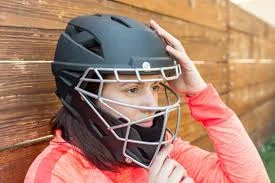
Helmets in women’s lacrosse have been a topic of debate, but their role in player safety is undeniable. While the sport emphasizes finesse over physical contact, accidental stick swings and fast-moving balls can still pose risks. Helmets provide an extra layer of protection, helping players stay safe without compromising mobility.
How Girls Lacrosse Helmets Contribute to Player Safety
- Impact Absorption: Helmets help reduce the force of direct hits from sticks or balls, lowering the risk of head injuries.
- Protection Against Accidental Collisions: Even though body checking is not allowed, players can still bump into each other. Helmets provide a safeguard in these situations.
- Confidence on the Field: Knowing they are protected, players can focus on their game without fear of injury.
The Effectiveness of Lacrosse Women’s Helmets in Preventing Concussions
- Designed for Female Players: Women’s lacrosse helmets are lighter and built to absorb impacts specific to the sport.
- Reducing Head Trauma: While helmets cannot prevent all concussions, they help minimize the severity of head injuries.
- Goalie Protection: Goalies, who face high-speed shots, benefit the most from helmets, as they significantly lower the risk of concussions.
Considerations for Brain Injury Prevention in Lacrosse
- Proper Helmet Fit: A well-fitted helmet ensures maximum protection and reduces the risk of head movement during impact.
- Rule Enforcement: Strict officiating helps prevent dangerous play that could lead to head injuries.
- Education & Awareness: Teaching players safe techniques and the importance of protective gear helps reduce injury risks.
The Argument Against Helmets
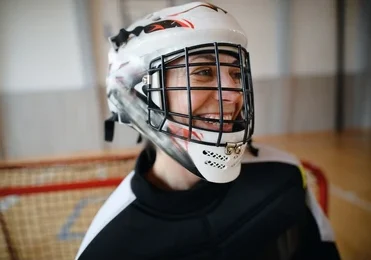
While helmets provide protection, they are not required for all female lacrosse players. Many believe that the sport’s rules and style of play make helmets unnecessary, and some argue that adding helmets could change the way the game is played.
Reasons Why Girls’ Lax Helmets Are Not Mandated for All Players
- Limited Physical Contact: Women’s lacrosse has strict rules against body checking, reducing the risk of direct collisions.
- Goggles as Primary Protection: Instead of helmets, players wear goggles to shield their eyes from accidental stick or ball contact.
- Tradition & Gameplay Balance: The sport has historically focused on finesse and skill rather than physicality, and some worry that helmets could encourage more aggressive play.
How Lacrosse Women’s Helmets Impact the Pace of the Game
- Potential for Increased Physicality: Some believe that wearing helmets could lead to more aggressive play, slowing down the fast-paced nature of the game.
- Comfort & Mobility: Helmets add weight and can affect visibility, which may impact a player’s ability to react quickly.
- Rule Adjustments: If helmets became mandatory, rule changes might follow, altering how the game is played at different levels.
Debate Over Whether Helmets Increase Risk-Taking Behavior
- Psychological Effect: Players may feel more protected with helmets and take greater risks, leading to harder stick checks or more physical contact.
- Unintended Consequences: Some argue that helmets could shift the game toward a more physical style, making it resemble men’s lacrosse rather than maintaining its unique approach.
- Balancing Safety & Tradition: While safety is a priority, many believe that helmets should remain optional to preserve the integrity of women’s lacrosse.
The debate over helmets in women’s lacrosse continues, with strong arguments on both sides. While safety is essential, the sport’s rules and traditions play a significant role in shaping equipment requirements.
Choosing the Right Women’s Lacrosse Helmet

Selecting the right helmet is essential for safety and performance in women’s lacrosse. A well-fitted helmet provides protection while allowing players to move freely and focus on their game.
Key Factors to Consider When Selecting a Lacrosse Girls Helmet
- Fit & Comfort: A helmet should fit snugly without being too tight. Adjustable straps and padding help ensure a secure fit.
- Material & Durability: Helmets made from strong materials like polycarbonate offer better impact resistance.
- Ventilation: Proper airflow keeps players cool during intense gameplay.
- Safety Certifications: Helmets should meet official safety standards to ensure maximum protection.
How Helmet Shape Affects Protection and Comfort
- Rounded vs. Angular Designs: Rounded helmets help distribute impact forces more evenly, reducing injury risks.
- Padding Placement: Interior padding enhances comfort while absorbing shocks.
- Visibility & Field Awareness: A well-designed helmet allows players to maintain a clear view of the field without obstruction.
Frequency of Lacrosse Helmet Recertification
- Regular Inspections: Helmets should be checked for cracks or wear before each season.
- Manufacturer Guidelines: Some brands recommend replacing helmets every few years to maintain safety standards.
- League Requirements: Certain leagues may require periodic recertification to ensure helmets meet updated safety regulations.
Choosing the right helmet ensures players stay protected while maintaining agility and confidence on the field. Prioritizing fit, durability, and safety standards helps create a safer playing experience.
Headwear at Lacrosse Fanatic
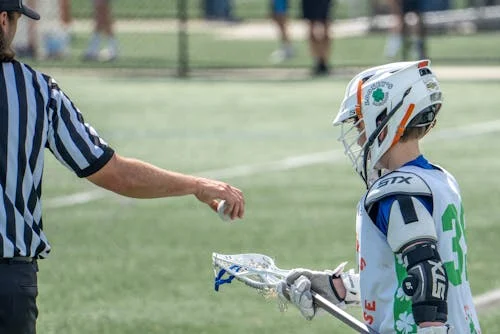
Choosing the right headwear is essential for safety and performance in women’s lacrosse. Helmets and protective gear continue to evolve, offering players better protection while maintaining comfort and mobility.
Popular Brands for Women’s Lacrosse Helmets
Several brands specialize in women’s lacrosse helmets, focusing on lightweight designs and impact resistance. These helmets are crafted to provide maximum protection while ensuring players can move freely on the field.
Innovations in Lacrosse Girls Helmets
Advancements in helmet technology have led to improved padding, ventilation, and fit. Modern designs prioritize concussion prevention while maintaining flexibility, allowing players to focus on their game without compromising safety.
Frequently Asked Questions
What are the rules for lacrosse helmets?
In women’s lacrosse, helmets are required for goalies but optional for field players. Some leagues, such as those in Florida, mandate helmets for additional safety. If worn, helmets must meet certified safety standards.
Do lacrosse helmets prevent concussions?
Helmets help reduce the severity of head injuries by absorbing impacts, but they cannot fully prevent concussions. Concussions can still occur due to sudden head movement or rotational forces during gameplay.
How do I choose a lacrosse helmet?
Select a helmet that fits snugly but comfortably, meets official safety standards, and provides good visibility and ventilation. A properly fitted helmet offers better protection and reduces the risk of head injuries.
Are lacrosse helmet visors legal?
Visors are legal in women’s lacrosse if they meet safety regulations and do not obstruct vision. Clear or lightly tinted visors are allowed, but heavily tinted ones may be restricted in certain leagues.
Does lacrosse have a high concussion rate?
Lacrosse has a moderate concussion rate compared to other contact sports. Although women’s lacrosse has less physical contact, accidental hits from sticks or balls can still lead to concussions.
Conclusion
Head protection in lacrosse is a critical aspect of player safety. While helmets are mandatory for goalies and optional for field players, they play a role in reducing the impact of accidental collisions and stick or ball contact. Though helmets cannot fully prevent concussions, they help minimize injury severity when properly fitted and maintained. Choosing the right helmet, understanding visor regulations, and following concussion prevention measures contribute to a safer playing environment. By balancing safety with the integrity of the sport, players can focus on skill development while staying protected on the field.
