
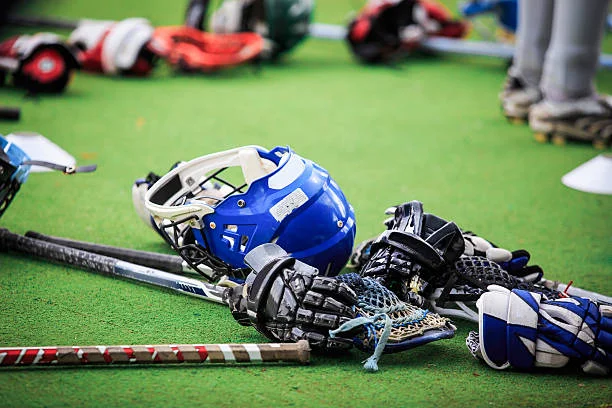
As a professional lacrosse coach, I always emphasize that safety comes first. Lacrosse is a fast-paced and physical sport, and wearing the right protective gear is essential for every player. Whether you’re a beginner or an experienced athlete, proper equipment helps prevent injuries and keeps you in the game.
Importance of Safety in Lacrosse
Lacrosse involves running, passing, shooting, and defending—all at high speed. Since players use sticks and a hard rubber ball, accidental hits and falls are common. Without protective gear, injuries like concussions, bruises, and fractures can happen. That’s why every player must wear the right equipment to stay safe while competing.
Overview of Mandatory Protective Equipment
In lacrosse, certain protective gear is required for all players:
- Helmet – A lacrosse-specific helmet with a face mask protects the head from impacts and prevents concussions.
- Mouthguard – Shields the teeth and jaw from injuries during contact plays.
- Gloves – Padded gloves provide grip and protect hands from checks and collisions.
- Shoulder Pads – These reduce the impact of hits and help protect the chest and shoulders.
- Arm Pads – Cover the forearms to minimize bruising from stick checks.
- Athletic Cup – For male players, a protective cup is necessary to safeguard sensitive areas.
- Cleats – Proper footwear offers traction on the field, reducing the risk of slipping and falling.
Having the right equipment not only protects players but also gives them confidence to play at their best. Always remember: safety allows you to enjoy the sport while improving your skills. As a coach, I strongly encourage all players to gear up properly before stepping onto the field!
What Protective Equipment Is Used in Lacrosse?
Lacrosse demands speed, precision, and physical resilience, making protective gear essential for every player. Whether you’re defending the goal or sprinting across the field, the right equipment minimizes injury risks while allowing fluid movement.
Essential Gear for Field Players and Goalies
- Field Players: Helmets with face masks, mouthguards, gloves, shoulder pads, and arm guards are crucial. Cleats provide stability, while male players require an athletic cup for extra protection.
- Goalies: Since goalkeepers face high-speed shots, they wear additional padding, including chest protectors, larger gloves, throat guards, and shin protection. These help absorb impact and allow quick reflexes without compromising safety.
Differences Between Men’s and Women’s Lacrosse Protective Equipment
- Men’s Lacrosse: Due to physical contact rules, male players wear helmets, gloves, and full padding to withstand checks and collisions.
- Women’s Lacrosse: The game emphasizes finesse over force, meaning players rely on goggles and mouthguards instead of helmets. With less direct body contact, fewer pads are needed.
Regardless of gender or position, protective gear ensures players can perform confidently while staying safe on the field.
Lacrosse Helmets & Head Protection
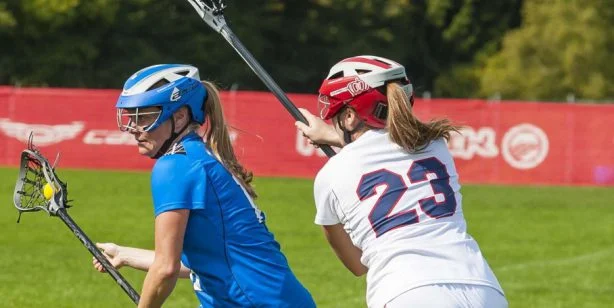
Protecting the head is one of the most important aspects of lacrosse safety. Helmets are designed to absorb impact, reduce the risk of concussions, and provide full facial protection. Their specialized design ensures players can perform at high intensity without compromising safety.
Features of Lacrosse Helmets for Safety
- Strong Outer Shell: Made from durable materials like polycarbonate to absorb direct hits.
- Facemask & Visor: Protects the face while allowing clear vision.
- Adjustable Chin Strap: Ensures a secure fit to prevent movement during play.
- Padding & Shock Absorption: Interior padding reduces head impact and enhances comfort.
- Ventilation System: Allows airflow to keep players cool.
Lacrosse Women’s Helmets – What Makes Them Different?
Unlike men’s lacrosse, women’s lacrosse has minimal physical contact, meaning helmets are not always required. Instead:
- Goggles & Headgear: Women players typically wear protective goggles and soft headgear to shield against accidental stick or ball contact.
- Limited Padding: Since body checking is restricted, women’s protective headgear is lightweight and less rigid than men’s helmets.
Proper head protection ensures players can focus on their game with confidence, knowing they are safeguarded against potential injuries.
Eye Protection: Lacrosse Goggles

Protecting the eyes is crucial in lacrosse, especially for female players. Since women’s lacrosse has different contact rules than men’s, goggles play a vital role in ensuring safety while maintaining clear vision on the field.
Why Lax Goggles Are Necessary for Women’s Lacrosse
- Shield Against Impact: Lacrosse balls can travel at high speeds, and accidental stick contact is common. Goggles help prevent serious eye injuries.
- Enhanced Visibility: Designed to provide a wide field of vision, allowing players to track the ball and opponents without obstruction.
- League Requirements: Women’s lacrosse mandates goggles for all players to minimize facial injuries while maintaining the sport’s fast-paced nature.
Differences Between Lacrosse Goggles and Helmets
- Goggles: Lightweight and designed for facial protection, covering the eyes while leaving the rest of the face exposed. They allow for maximum visibility and comfort.
- Helmets: Used in men’s lacrosse due to the physical nature of the game. Helmets provide full head protection, including a facemask, to absorb high-impact collisions.
- Material & Design: Goggles are made with durable wire or plastic frames, while helmets feature a hard shell with interior padding for shock absorption.
Choosing the right eye protection ensures players stay safe while focusing on their performance. Goggles offer the necessary defense against accidental contact while allowing unrestricted movement on the field.
Upper Body Protection: Shoulder and Chest Guards
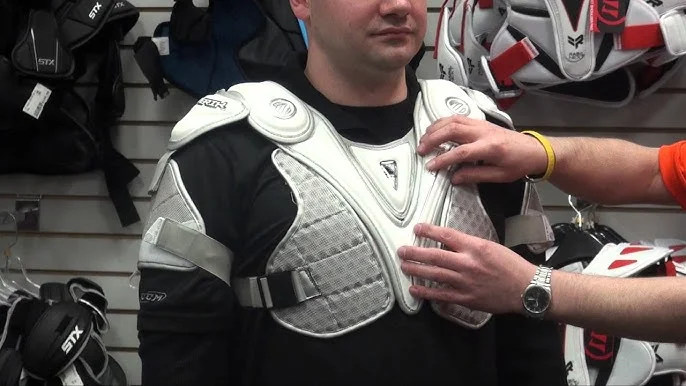
Lacrosse is a high-contact sport, and protecting the upper body is essential for absorbing impacts while maintaining mobility. Shoulder and chest guards are designed to shield players from checks, collisions, and fast-moving shots without restricting movement.
Shoulder Pads Lacrosse – Impact Resistance and Mobility
- Shock Absorption: Modern shoulder pads use advanced padding to reduce the force of hits, protecting the collarbone and upper torso.
- Mobility-Focused Design: Some pads feature flexible panels that allow players to move freely while staying protected.
- NOCSAE Standards: Since 2022, all shoulder pads must meet the ND200 standard to prevent cardiac injuries.
Chest Protector for Lacrosse – Required Safety Gear for Goalies
- Extra Padding for High-Speed Shots: Goalies wear chest protectors with reinforced padding to absorb powerful shots.
- Throat and Rib Protection: Some models extend coverage to the throat and ribs for additional safety.
- Mandatory Equipment: Goalies must wear chest protectors that meet safety regulations to reduce injury risks.
Lacrosse Chest Guard vs. Chest Plate Lacrosse – Understanding the Difference
- Chest Guard: Covers the entire upper torso, offering full protection against impacts.
- Chest Plate: A smaller, targeted pad designed to protect the heart and sternum while allowing maximum mobility.
- Choosing the Right Gear: Players should select equipment based on their position and level of contact in the game.
Proper upper body protection ensures players can compete confidently while minimizing injury risks. Whether you’re a field player or a goalie, wearing the right gear is key to staying safe and performing at your best.
Arm and Hand Protection

Lacrosse is a fast-paced sport where arm and hand protection is crucial for absorbing checks and maintaining control. The right gear ensures players can play aggressively while minimizing injury risks.
Elbow Pads Lacrosse – Essential for Defensive Players
- Impact Resistance: Defensive players often take hits while blocking opponents, making elbow pads essential for absorbing checks.
- Mobility vs. Protection: Defensive elbow pads are lighter and smaller than those worn by attackers, allowing for greater movement while still providing protection.
- Position-Specific Design: Attackers wear bulkier arm guards for maximum coverage, while defenders opt for streamlined elbow pads to maintain agility.
Lacrosse Elbow Guards vs. Defensive Elbow Pads Lacrosse
- Elbow Guards: Offer full coverage from the wrist to the upper arm, ideal for players who frequently engage in physical play.
- Defensive Elbow Pads: Smaller and more flexible, designed for defenders who need quick movement while still protecting their elbows.
- Choosing the Right Fit: Players should select elbow protection based on their position and level of contact in the game.
Lacrosse Gloves White – Functionality and Style
- Grip & Control: Lacrosse gloves enhance stick handling by providing a secure grip while protecting fingers from checks.
- Padding & Flexibility: Modern gloves balance protection with flexibility, ensuring players can move their hands freely.
- Style & Visibility: White gloves are popular for their clean look and visibility on the field, making them a stylish yet functional choice.
Lower Body Protection & Additional Safety Gear
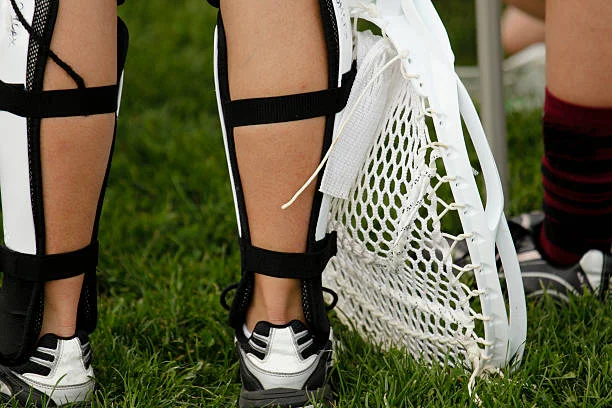
Lacrosse players rely on speed and agility, but safety should never be overlooked. Proper lower body protection ensures players can move freely while minimizing injury risks.
Lacrosse Goalie Shin Protection – Preventing Leg Injuries
- Absorbs Impact: Goalies face high-speed shots, making shin guards essential for reducing the force of direct hits.
- Flexible Design: Shin guards allow movement while providing coverage for the lower legs.
- League Regulations: Some leagues require goalies to wear shin protection to prevent serious injuries.
Mouth Guards – Required for All Players
- Protects Teeth & Jaw: A mouthguard shields against accidental stick or ball impacts.
- Mandatory Equipment: Every player must wear a mouthguard to reduce the risk of dental injuries.
- Comfort & Fit: Custom-fitted mouthguards provide better protection and allow players to breathe and communicate easily.
Chin Pads and Arm Guards – Reinforcing Player Safety
- Extra Padding for High-Impact Areas: Chin pads help absorb blows to the lower face, while arm guards protect against checks.
- Position-Specific Gear: Attackers and defenders wear different levels of padding based on their roles.
- Enhanced Mobility: Modern designs ensure protection without restricting movement.
Essential Lacrosse Gear Checklist
Every lacrosse player needs the right equipment to stay safe and perform at their best. Whether you’re playing field lacrosse, box lacrosse, or stepping into the goal, having the correct gear ensures protection and confidence on the field.
A Full Breakdown of Necessary Equipment for Lacrosse
- Helmet – Protects the head from impacts and is mandatory for men’s lacrosse.
- Mouthguard – Required for all players to prevent dental injuries.
- Gloves – Provide grip and protect hands from checks and collisions.
- Shoulder Pads – Absorb hits and safeguard the upper body.
- Arm Pads – Essential for reducing bruising from stick checks.
- Cleats – Offer traction and stability on the field.
- Goggles (Women’s Lacrosse) – Protect the eyes while allowing clear vision.
- Athletic Cup (Men’s Lacrosse) – Provides necessary protection for male players.
Checklist for Men’s Lacrosse Pads, Box Lacrosse Gear, and Goalie-Specific Equipment
- Men’s Lacrosse Pads: Helmet, gloves, shoulder pads, arm pads, mouthguard, cleats, and an athletic cup.
- Box Lacrosse Gear: Includes rib pads for extra protection, reinforced gloves, and a more padded helmet due to the physical nature of the game.
- Goalie-Specific Equipment: Chest protector, throat guard, larger padded gloves, shin guards, and additional padding to absorb high-speed shots.
Equipping yourself with the right gear ensures safety and allows you to focus on improving your skills. Whether you’re a field player, a box lacrosse competitor, or a goalie, proper equipment is key to playing confidently and effectively.
Frequently Asked Questions
What protective equipment is needed for lacrosse?
Lacrosse players require helmets, gloves, shoulder pads, arm pads, mouthguards, and cleats. Goggles are required for women’s lacrosse instead of helmets. Goalies need additional chest protection and shin guards.
Are elbow pads required in lacrosse?
Yes, but primarily for attackers and defenders. These players experience the most checks and physical contact, making elbow pads essential for reducing impact injuries.
Do lacrosse players need mouthguards?
Absolutely. Mouthguards are mandatory for all players, helping to protect teeth, gums, and jaws from stick checks, ball impacts, and collisions.
Are shin guards required in lacrosse?
Only goalies are required to wear shin guards, as they face direct shots to the legs. Field players typically do not wear shin guards.
What pads are needed for lacrosse?
Field players wear shoulder pads, arm pads, and gloves for upper body protection. Box lacrosse players may also use rib pads. Goalies require additional chest protection and shin guards.
Conclusion
Lacrosse is an exciting, high-energy sport that requires players to be both skilled and protected. Wearing the right gear—helmets, pads, mouthguards, and gloves—ensures safety while allowing full mobility and confidence on the field. Whether you’re an attacker dodging checks, a defender holding your ground, or a goalie blocking shots, proper equipment minimizes injury risks and enhances performance. Understanding different protective needs for men’s and women’s lacrosse, as well as position-specific gear, helps players make smart choices. Safety isn’t just about following rules—it’s about playing smarter, staying protected, and performing at your best.

 Lacrosse Goalie Tips, Drills, and Advice