
Last updated on June 18th, 2025 at 11:02 am

As a seasoned lacrosse coach, I’m here to guide you through the unique aspects of boys’ and girls’ lacrosse. Knowing these differences is vital for anyone engaged in the sport, whether you’re on the field, on the sidelines, or in the stands. Let’s jump in!
Brief Overview of Lacrosse as a Sport
Lacrosse is a fast-paced team sport in which players use a stick with a net (called a lacrosse stick) to catch, carry, and pass a small rubber ball with the aim of scoring goals. The game requires speed, skill, and teamwork. Both boys and girls play lacrosse, but there are some key differences in how the game is played for each and how long is a game.
Understanding the Differences Between Boys’ and Girls’ Lacrosse

Knowing the differences between boys’ and girls’ lacrosse is important because it helps players and coaches tailor their training and strategies to the specific rules and styles of each game. It also ensures that everyone can enjoy the sport safely and effectively. As a professional lacrosse coach, I always emphasize the importance of understanding these distinctions to help my players excel and enjoy the game to the fullest.
Equipment
In lacrosse, the equipment used by boys and girls differs to ensure safety and suit the style of play for each. let us discuss this in detail for all essential equipment
Helmets

Men’s Lacrosse Helmet: Boys’ lacrosse players wear helmets that cover the entire head and have a face mask. These helmets are designed to protect against high-impact collisions and checks, which are more common in boys’ lacrosse.
Women’s Lacrosse Goggles: In girls’ lacrosse, players wear protective goggles instead of helmets. These goggles shield the eyes from the ball and sticks. Since body checking is not allowed in girls’ lacrosse, the need for full helmets is reduced, but eye protection remains crucial.
As a professional lacrosse coach, I always stress the importance of wearing the right equipment to keep players safe while they enjoy the game.
Sticks
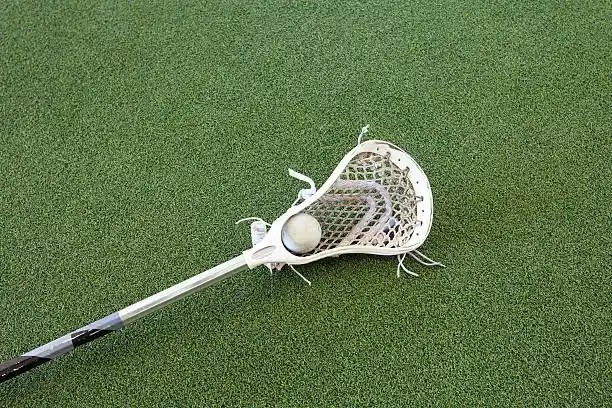
Lacrosse sticks are essential tools in the game, and there are specific differences between those used by boys and girls.
Men’s Lacrosse Stick
Boys’ lacrosse sticks have a deeper pocket and are generally more robust to handle the physical nature of the game. The head of the stick is designed to help with powerful shots and checks.
Women’s Lacrosse Stick
Girls’ lacrosse sticks have a shallower pocket, which makes it easier to catch and throw the ball but requires more skill to control. The design focuses on precision and finesse rather than power.
Types of Lacrosse Sticks
There are different types of lacrosse sticks for various positions:
- Attack/Midfield Sticks: These sticks are shorter and designed for quick handling and shooting.
- Defense Sticks: These are longer to help with blocking and checking opponents.
- Goalie Sticks: These have a larger head to make it easier to block shots.
Lacrosse Stick Length by Age
The length of a lacrosse stick varies by the player’s age and position:
- Youth Players: Shorter sticks for easier handling.
- High School Players: Standard lengths as per position requirements.
- College/Professional Players: Follow specific regulations for stick length.
Good Lacrosse Sticks for Beginners
For beginners, choosing a stick that is easy to handle and control is important. Look for sticks with a good balance and a comfortable grip. Brands like STX and Warrior offer great options for new players.
Best Lacrosse Goalie Stick
The best goalie sticks have a large head and a sturdy shaft. Brands like Maverik and Brine are known for their high-quality goalie sticks that provide excellent protection and control.
Best Women’s Lacrosse Sticks
For girls, sticks from brands like STX and Under Armour are popular. They offer sticks that are lightweight, durable, and designed to enhance precision and control.
As your professional lacrosse coach, I always recommend choosing the right stick based on your position, skill level, and comfort to help you perform your best on the field.
Balls
Lacrosse balls are an essential part of the game, and there are several interesting details about them.
What Are Lacrosse Balls Made Of?
Lacrosse balls are usually made from solid rubber. This material gives them the right balance of firmness and flexibility, making them perfect for the fast-paced action of lacrosse.

Diameter of a Lacrosse Ball
A standard lacrosse ball has a diameter of about 2.5 inches (6.35 cm). This size is regulated to ensure consistency in play.
Weight of Lacrosse Ball
The weight of a lacrosse ball is between 5 and 5.25 ounces (141.75 to 149 grams). This weight helps players control the ball effectively during the game.
Women’s Lacrosse Balls
Women’s lacrosse balls are the same size and weight as those used in men’s lacrosse. However, they are typically yellow to make them more visible on the field.
Yellow Lacrosse Balls
Yellow lacrosse balls are commonly used in women’s lacrosse. The bright color helps players and officials see the ball more easily during play.
Pearl X Lacrosse Balls
Pearl X lacrosse balls are known for their durability and consistent performance. They are made from a special material that prevents them from becoming greasy over time, which helps maintain their grip and accuracy.
Brine Lacrosse Ball
Brine is a popular brand that produces high-quality lacrosse balls. Brine balls are known for their excellent grip and durability, making them a favorite among players.
Glow in the Dark Lax Balls
Glow-in-the-dark lacrosse balls are great for playing in low-light conditions. These balls absorb light and then glow, making it easier to see them during evening practices or games.
Weighted Lacrosse Ball
Weighted lacrosse balls are heavier than standard balls and are used for training. They help players build strength and improve their handling skills. Using a weighted ball can make playing with a regular ball feel easier and more controlled.
Being a coach from my experience, I always recommend using the right type of ball for your practice and games to enhance your skills and enjoy the sport safely.
Other Equipment

In addition to sticks and balls, there are several other pieces of equipment that are essential for playing lacrosse, especially for women.
Women’s Lacrosse Uniform
Women’s lacrosse uniforms typically consist of a jersey and a skirt or shorts. The uniforms are designed to be comfortable and allow for a full range of motion. They are usually made from lightweight, breathable materials to keep players cool during the game.
Female Lacrosse Uniform
Similar to the women’s lacrosse uniform, the female lacrosse uniform includes a jersey and either a skirt or shorts. The design focuses on comfort and performance, ensuring that players can move freely and stay cool.
Women’s Lacrosse Helmet
While girls’ lacrosse players generally wear goggles instead of helmets, some leagues and levels of play may require helmets for added protection. These helmets are designed to be lightweight and provide protection without restricting vision or movement.
Lacrosse Gear for Women
Lacrosse gear for women includes protective equipment like gloves, mouthguards, and sometimes shoulder pads. These items help protect players from injuries while allowing them to play effectively.
Lacrosse Shoes for Women
Lacrosse shoes for women are designed to provide good traction on the field. They often have cleats to help players maintain their grip on the grass or turf. The shoes are also designed to be lightweight and supportive, helping players move quickly and comfortably.
Lacrosse Eye Protection
As discussed earlier, eye protection is a must in women’s lacrosse. Goggles are worn to protect the eyes from the ball and sticks. They are designed to be comfortable and provide a clear field of vision while ensuring safety.
Style of Play for Girls and Boys Lacrosse
The style of play in lacrosse varies significantly between boys’ and girls’ games, affecting gameplay and strategies.
Differences in Gameplay and Strategies
Boys’ Lacrosse: The gameplay in boys’ lacrosse is fast-paced and physical. Strategies often focus on quick transitions, powerful shots, and aggressive defense. Players use their physicality to gain an advantage, and the game includes more body checks and stick checks. Offensive strategies might include setting picks and creating space for shooters, while defensive strategies often involve man-to-man coverage and zone defenses.
Girls’ Lacrosse: Girls’ lacrosse emphasizes skill, speed, and precision. The game is less about physical contact and more about strategic positioning and teamwork. Offensive strategies focus on quick passes, cutting, and creating scoring opportunities through movement and coordination. Defensively, players use positioning and stick skills to intercept passes and block shots. The emphasis is on finesse and control rather than brute strength.
Boys’ vs Girls’ Lacrosse: How Physical Contact Differs
Boys’ Lacrosse: Physical contact is a significant part of boys’ lacrosse. Body checking and stick checking are allowed, making the game more intense and physical. Players wear more protective gear, including helmets, shoulder pads, and gloves, to safeguard against the impacts.
Girls’ Lacrosse: Physical contact is much more limited in girls’ lacrosse. Body checking is not allowed, and stick checking is more controlled. The focus is on maintaining the flow of the game and ensuring safety. Players wear less protective gear, typically just goggles and mouthguards, as the risk of high-impact collisions is lower.
As a professional lacrosse coach, I always tailor my training to these differences, ensuring that players develop the right skills and strategies for their game. Understanding these distinctions helps players excel and enjoy lacrosse to the fullest.
Field Dimensions
Understanding the field dimensions for boys’ and girls’ lacrosse is important as it affects how the game is played.
Comparison of Field Sizes for Boys’ and Girls’ Lacrosse
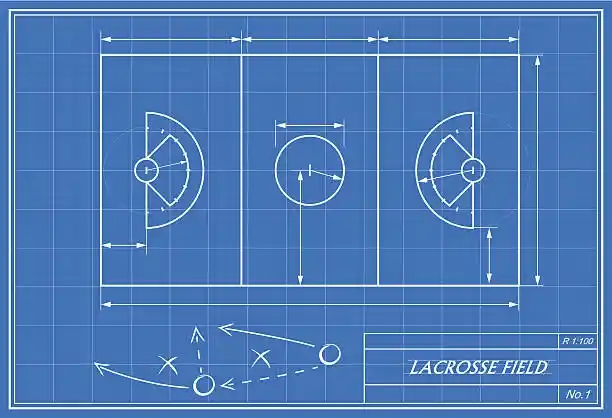
Boys’ Lacrosse Field: The field for boys’ lacrosse is typically larger, measuring about 110 yards long and 60 yards wide. This larger field accommodates the more physical and fast-paced nature of boys’ lacrosse, allowing for more space to maneuver and execute plays.
Girls’ Lacrosse Field: The field for girls’ lacrosse is slightly smaller, usually around 120 yards long and 70 yards wide. While it may seem larger in length, the overall playing area is designed to suit the style of play in girls’ lacrosse, which emphasizes skill and strategy over physical contact.
Impact of Field Size on Gameplay
Boys’ Lacrosse: The larger field size in boys’ lacrosse allows for more running and physical play. Players need to cover more ground, which can lead to a faster-paced game with more opportunities for long passes and fast breaks. The extra space also means that defensive strategies can be more spread out, requiring players to be in excellent physical condition.
Girls’ Lacrosse: The slightly smaller field in girls’ lacrosse focuses on precision and teamwork. The game is more about strategic positioning and passing rather than physical dominance. The field size encourages quick ball movement and sharp, accurate passes. It also means that players need to be highly skilled in stick handling and teamwork to navigate the field effectively.
As a dedicated lacrosse coach, I ensure my players grasp how the field dimensions influence their gameplay. This understanding equips them with the necessary skills and strategies to excel in their games.
Positions
Understanding the different positions in lacrosse is crucial as each has unique roles and responsibilities. Let’s explore the positions in both boys’ and girls’ lacrosse and how they differ.
Overview of Positions in Boys’ Lacrosse
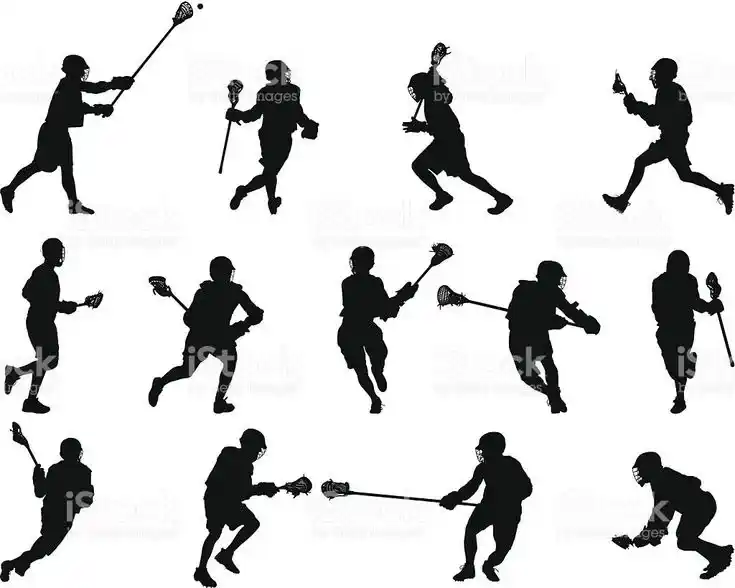
In boys’ lacrosse, there are ten players on the field for each team, divided into the following positions:
- Attackmen: These players focus on scoring goals. They stay primarily in the offensive half and use their skills to create scoring opportunities.
- Midfielders: Also known as “middies,” these players cover the entire field. They play both offense and defense, making them versatile and essential for transitions.
- Defensemen: These players protect the goal and prevent the opposing team from scoring. They use long sticks to check attackers and intercept passes.
- Goalie: The goalie’s job is to stop the ball from entering the net. They need quick reflexes and strong communication skills to direct the defense.
Overview of Positions in Girls’ Lacrosse
In girls’ lacrosse, there are twelve players on the field for each team, with the following positions:
- Attackers: Similar to boys’ attackmen, these players focus on scoring and creating offensive plays. They work closely with midfielders to maintain possession.
- Midfielders: These players cover the entire field and play both offense and defense. They are crucial for transitioning the ball and supporting both ends of the field.
- Defenders: These players focus on stopping the opposing team from scoring. They use their positioning and stick skills to block shots and intercept passes.
- Goalie: The goalie’s role is to protect the goal and stop shots. They need to be agile and have good communication to organize the defense.
You can check our detailed guide on lacrosse positions for a better understanding.
Differences in Roles and Responsibilities
Boys’ Lacrosse: The roles in boys’ lacrosse are more physically demanding due to the allowance of body checking and more aggressive play. Defensemen use longer sticks to keep attackers at bay, and midfielders need to be in excellent physical condition to cover the entire field. The goalie often faces high-speed shots and needs to be well-protected with gear.
Girls’ Lacrosse: The roles in girls’ lacrosse emphasize skill and strategy over physicality. Defenders focus more on positioning and stick checks rather than body checks. Midfielders still need to be versatile but rely more on speed and precision. The goalie, while still crucial, faces less physical contact and relies more on agility and quick reflexes.
As a professional lacrosse coach, I always ensure my players understand their positions and responsibilities. This knowledge helps them work together as a team and play to their strengths, making the game more enjoyable and effective.
Rule Differences
Understanding the rules and differences between boys’ and girls’ lacrosse is essential for playing the game correctly and safely.
Checking and Contact
Physical Contact Rules in Boys’ vs Girls’ Lacrosse:
- Boys’ Lacrosse: Physical contact is a significant part of boys’ lacrosse. Body checking and stick checking are allowed, making the game more intense and physical. Players wear more protective gear, including helmets, shoulder pads, and gloves, to safeguard against the impacts.
- Girls’ Lacrosse: Physical contact is much more limited in girls’ lacrosse. Body checking is not allowed, and stick checking is more controlled. The focus is on maintaining the flow of the game and ensuring safety. Players wear less protective gear, typically just goggles and mouthguards, as the risk of high-impact collisions is lower.
Offensive vs. Defensive Player Location
Positioning and Movement Rules:
- Boys’ Lacrosse: In boys’ lacrosse, there are specific rules about where offensive and defensive players can be on the field. For example, there must always be three players (usually defensemen) in the defensive half and three players (usually attackmen) in the offensive half. This rule helps maintain balance and prevents overcrowding in any one area.
- Girls’ Lacrosse: Girls’ lacrosse also has rules about player positioning, but they are slightly different. For instance, there must be four players (usually defenders) in the defensive half and five players (usually attackers) in the offensive half. These rules ensure that the game remains open and that players have space to move and pass.
Face-off vs. Draw
Differences in Starting Play:
- Boys’ Lacrosse: The game starts with a face-off. Two players face each other at the center of the field, crouching down with their sticks on the ground. When the whistle blows, they fight for control of the ball using their sticks and bodies.
- Girls’ Lacrosse: The game starts with a draw. Two players stand in the center of the field with the ball placed between the heads of their sticks. When the whistle blows, they pull their sticks up and away, trying to fling the ball into the air to gain possession.
I always make sure my players understand these rule differences. This knowledge helps them play the game correctly and safely, ensuring everyone can enjoy lacrosse to the fullest.
Similarities Between Boys’ and Girls’ Lacrosse
While there are many differences between boys’ and girls’ lacrosse, there are also several key similarities that unite the two versions of the sport.
Common Elements in Both Versions of the Sport
- Objective: In both boys’ and girls’ lacrosse, the main objective is to score more goals than the opposing team. Players use their sticks to catch, carry, and pass the ball, aiming to shoot it into the opponent’s goal.
- Teamwork: Lacrosse is a team sport, and success relies heavily on teamwork. Players must communicate, pass the ball effectively, and work together to create scoring opportunities and defend against the opposing team.
- Skills: Fundamental lacrosse skills such as catching, throwing, cradling, and shooting are essential in both boys’ and girls’ games. Players practice these skills to improve their performance and contribute to their team’s success.
- Field Layout: The basic layout of the lacrosse field is similar for both boys and girls, with goals at each end and designated areas for offense and defense. The midfield line divides the field into two halves, and players must adhere to specific positioning rules.
- Game Structure: Both versions of lacrosse are played in quarters or halves, with a set duration for each period. The game includes face-offs or draws to start play and after each goal, and penalties are enforced for rule violations.
- Protective Gear: While the specific equipment may differ, both boys and girls wear protective gear to ensure safety. This includes items like mouthguards, gloves, and eye protection.
- Eye black Designs: Eye black design rules are almost similar in both boys and girls lacrosse. you can check out some of the most trending eye black designs here.
- Coaching and Strategy: Coaching in both boys’ and girls’ lacrosse involves developing strategies, teaching skills, and motivating players. Coaches focus on improving individual and team performance, regardless of the version of the game.
While coaching, I always emphasize these common elements to help players understand the core aspects of the sport. By focusing on these similarities, players can appreciate the shared challenges and joys of playing lacrosse, whether they are boys or girls.
Frequently Asked Questions
How is girls’ lacrosse different from boys?
Girls’ lacrosse differs from boys’ lacrosse mainly in terms of physical contact and equipment. Girls’ lacrosse has less physical contact, with no body checking allowed, and players wear less protective gear, typically just goggles and mouthguards. Boys’ lacrosse allows body checking and stick checking, requiring players to wear helmets, shoulder pads, and gloves for protection.
What is the main difference between men’s and women’s lacrosse?
The main difference between men’s and women’s lacrosse is the level of physical contact. Men’s lacrosse is a full-contact sport with body checking and more aggressive play, while women’s lacrosse focuses on skill and strategy with limited physical contact. This difference influences the type of protective gear worn and the overall style of play.
Which is harder, girls or boys lacrosse?
Determining which is harder depends on the perspective. Boys’ lacrosse is physically demanding due to the contact and aggressive play, requiring strength and endurance. Girls’ lacrosse, on the other hand, emphasizes finesse, precision, and strategic thinking, requiring excellent stick skills and teamwork. Both versions present unique challenges and require different skill sets.
What is the difference between a girls’ and boys’ lacrosse stick?
The primary difference between girls’ and boys’ lacrosse sticks is the pocket depth. Boys’ lacrosse sticks have deeper pockets, making it easier to cradle and shoot the ball with power. Girls’ lacrosse sticks have shallower pockets, which require more skill to control the ball and emphasize precision in passing and shooting.
Why don’t girls’ lacrosse sticks have pockets?
Girls’ lacrosse sticks have shallower pockets to emphasize skill and control. The shallower pocket makes it more challenging to cradle and shoot, encouraging players to develop better stick-handling and passing skills. This design aligns with the focus on finesse and strategy in girls’ lacrosse, as opposed to the power and physicality in boys’ lacrosse.
Conclusion
Understanding the differences between boys’ and girls’ lacrosse is crucial for players, coaches, and fans. Boys’ lacrosse involves more protective gear and physical play, while girls’ lacrosse focuses on skill and strategy with limited contact. The field sizes and positions differ slightly, with boys’ fields being larger and roles requiring more physical endurance. Rule differences include checking and contact, player positioning, and starting play methods. Despite these differences, both versions share common elements like the objective of scoring goals, the importance of teamwork, and fundamental skills. I hope this guide helps you appreciate and excel in this exciting sport.

 Highest Paid Lacrosse Players