Last updated on May 26th, 2025 at 10:01 am

As a professional lacrosse coach with years of experience helping players of all ages. In this guide, I’ll walk you through the essential lacrosse equipment you need to get started. Having the right gear is crucial for both safety and performance on the field.
Importance of Proper Lacrosse Equipment
Using the right lacrosse equipment is important for several reasons:
- Safety: Proper gear protects you from injuries. Helmets, gloves, and pads are designed to keep you safe during the game.
- Performance: Good equipment helps you play better. For example, a well-balanced stick can improve your passing and shooting accuracy.
- Comfort: Wearing gear that fits well makes the game more enjoyable. Comfortable equipment allows you to focus on playing rather than adjusting your gear.
Essential Lacrosse Gear
Lacrosse is a fast-paced and exciting sport, but to play safely and effectively, you need the right gear. Here’s a breakdown of the essential equipment every lacrosse player needs.
Lacrosse Stick
The lacrosse stick, also known as a crosse, is used to catch, carry, pass, and shoot the ball. It’s the primary tool for playing the game, and choosing the right one can make a big difference in your performance.
Sizing Your Lacrosse Stick
Getting the right size stick is important for comfort and effectiveness. Here’s a simple guide:
- Attack and Midfield Players: Use shorter sticks, around 40-42 inches, for better control and quick movements.
- Defense Players: Use longer sticks, around 52-72 inches, to reach and check opponents more easily.
- Goalies: Goalie sticks can vary from 40 to 72 inches, depending on personal preference and playing style.
- Younger Players: Youth sticks are generally shorter, around 36-40 inches, to suit smaller players.
Parts of a Lacrosse Stick
A lacrosse stick has several key parts:
- Head: The top part of the stick used to catch, carry, and throw the ball. It includes the scoop, sidewalls, and pocket. You can check some of the best lacrosse stick head for attackers.
- Mesh: The netting inside the head that forms the pocket. It can be made of different materials and affects how the ball is held and released.
- Strings: These attach the mesh to the head and adjust the pocket’s depth and tension. Proper stringing is crucial for optimal performance.
- Shaft: The long handle of the stick, usually made of materials like aluminum, titanium, or composite. It provides the leverage needed for passing and shooting.
Protective Gear
Helmet
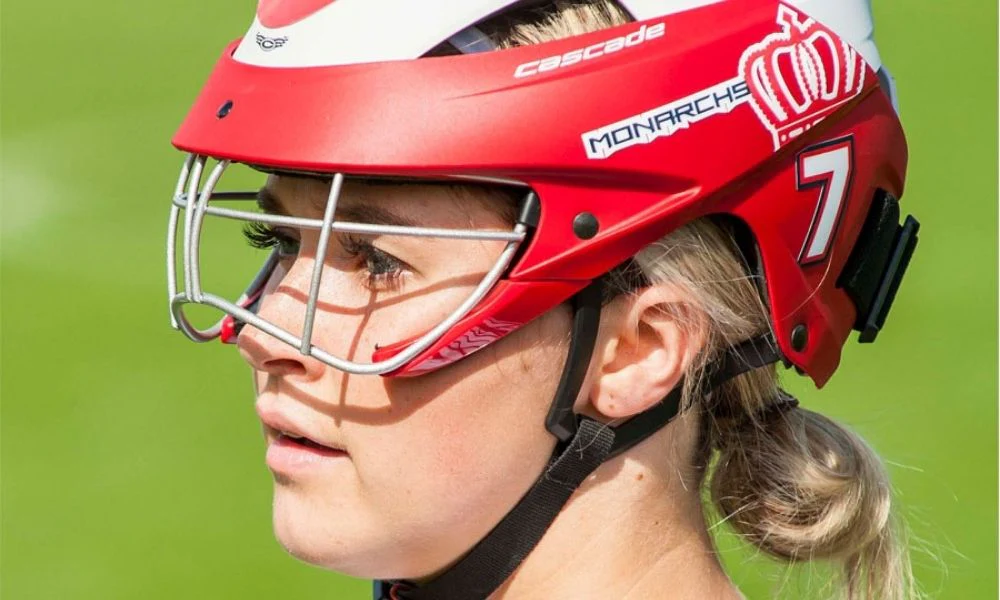
A helmet is essential for protecting your head and face from impacts. It includes a face mask to shield your face and a chin strap to keep the helmet securely in place. Helmets are designed to absorb shocks and prevent concussions, making them a critical piece of safety equipment.
Shoulder pads
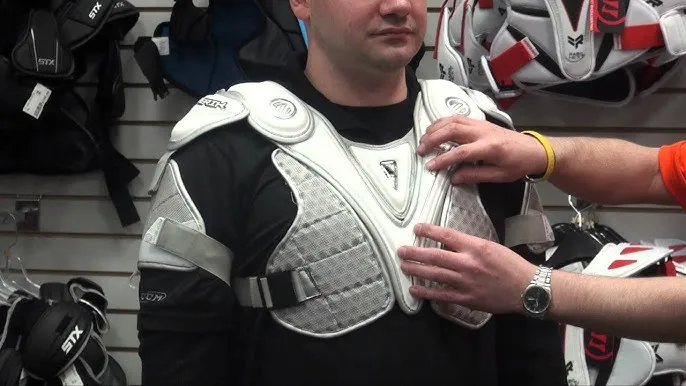
Shoulder pads cover your shoulders, collarbone, and upper chest. They are designed to absorb and distribute the force of impacts, reducing the risk of injuries from checks and collisions. The pads should fit snugly but comfortably, allowing for full range of motion.
Arm pads

Arm pads protect your forearms and elbows from slashes and checks. They are padded to absorb impacts and are usually adjustable to ensure a secure fit. Arm pads are especially important for offensive players who often face aggressive defensive play.
Gloves:

Lacrosse gloves protect your hands and fingers from impacts and provide a good grip on your stick. They have padding on the back of the hand and fingers, as well as reinforced palms for durability. Gloves should fit well to allow for dexterity and control.
Rib pads (optional)

Rib pads offer additional protection for your ribs and sides, which can be vulnerable during physical play. While not mandatory, they are recommended for players who want extra protection, especially those who play in more aggressive positions. I personally recommend them to new players.
Chest protector (goalies only)
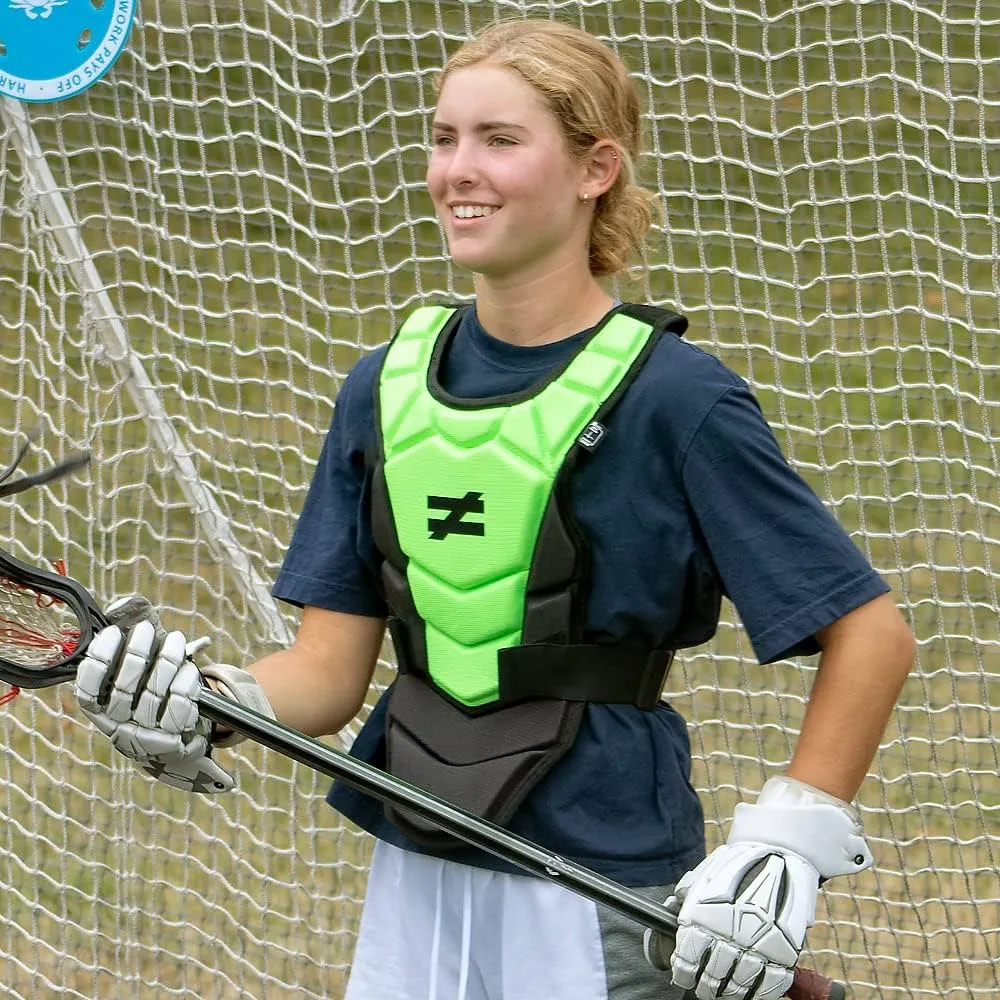
Goalies wear chest protectors to guard against high-speed shots. These protectors cover the chest and abdomen, providing crucial protection from the powerful impacts of the ball. They are designed to be lightweight yet highly protective.
Cleats or turf shoes
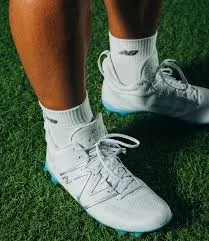
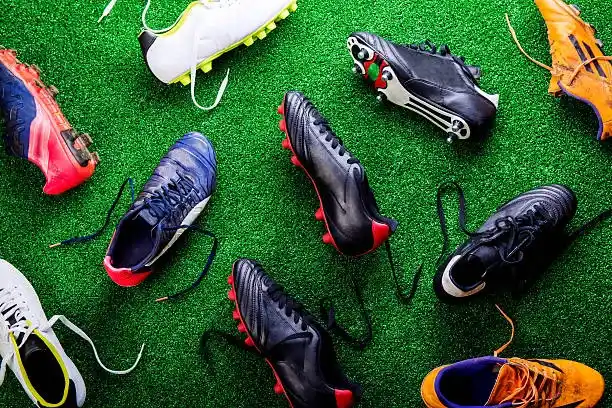
Proper footwear is important for maintaining traction on the field. Cleats are used on grass fields and have studs to prevent slipping. Turf shoes are designed for artificial turf surfaces and have smaller, rubber studs. Both types of shoes help players move quickly and change direction with stability.
Check out our detailed guide on lacrosse cleats to make a well-informed decision
Goggles or headgear (girls only)

In girls’ lacrosse, goggles are required to protect the eyes from accidental contact with sticks and balls. Some leagues also require headgear for additional protection. Goggles should fit securely and provide clear vision without obstructing the player’s view.
Additional Accessories
Mouthguard
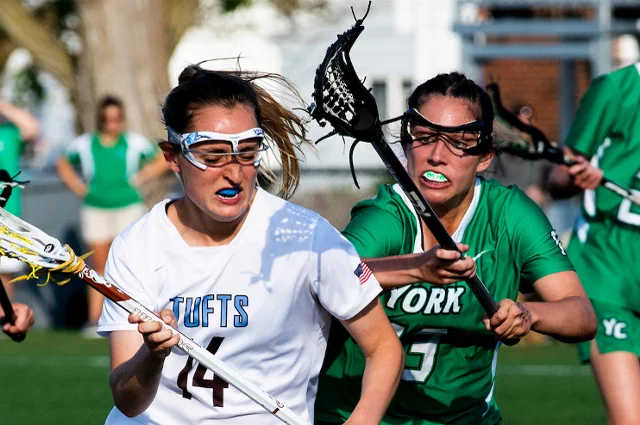
A mouthguard is essential for protecting your teeth, lips, and mouth from impacts. It helps prevent dental injuries and concussions by absorbing and distributing the force of blows to the face. Make sure your mouthguard fits well and is comfortable to wear.
Shin guards
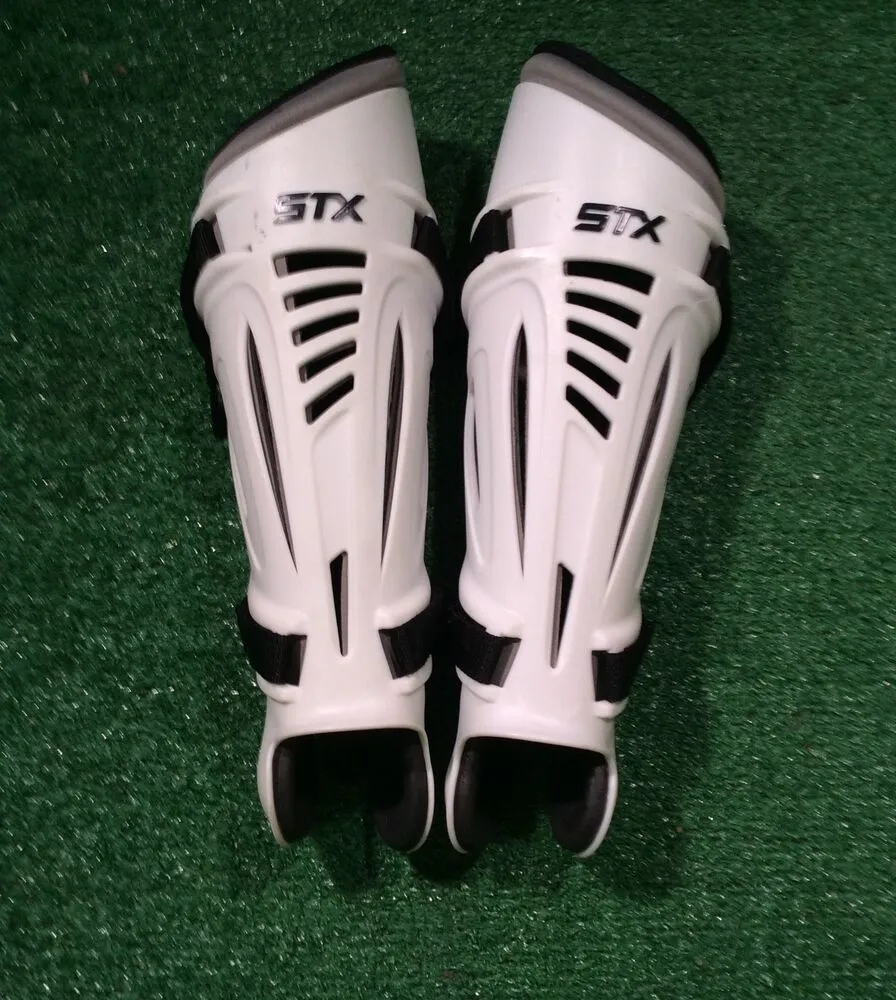
While not mandatory, shin guards can provide extra protection for your shins from accidental hits and checks. They are especially useful for younger players or those who want additional safety during play.
Bag
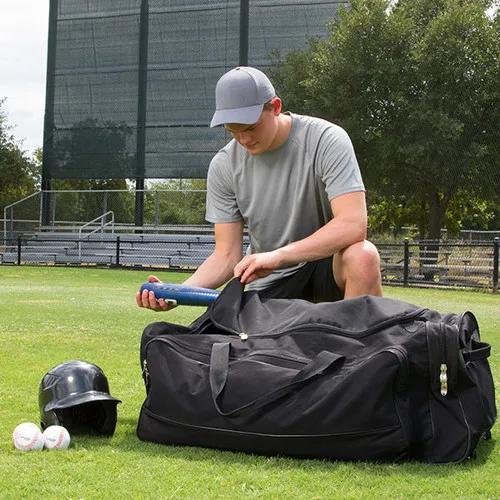
A sturdy bag is necessary to carry all your lacrosse gear. Look for a bag with multiple compartments to keep your equipment organized and easy to access. Some bags are designed specifically for lacrosse and include features like stick holders and ventilated pockets for wet gear.
Balls
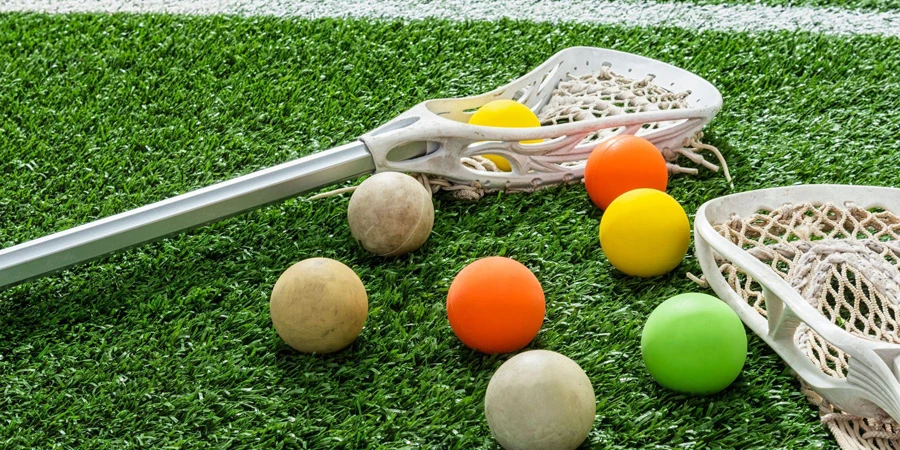
Lacrosse balls are used for practice and games. It’s a good idea to have several on hand for drills and training. Make sure to use regulation-size balls to ensure consistency in your practice sessions.
Tips for Beginners
Starting out in lacrosse can be exciting but also a bit overwhelming with all the gear and options available. Here are some tips to help you choose the right equipment, ensure it fits properly, and stay within your budget.
Choosing the Right Equipment
When selecting lacrosse gear, it’s important to choose equipment that suits your position and level of play. For beginners, focus on getting the basics right:
- Lacrosse Stick: Look for a beginner-friendly stick that is lightweight and easy to handle. Many brands offer starter sticks that are pre-strung and ready to use.
- Protective Gear: Ensure you have all the necessary protective gear, including a helmet, shoulder pads, arm pads, gloves, and a mouthguard. For girls, don’t forget goggles or headgear.
- Footwear: Choose cleats or turf shoes that provide good traction and support.
Sizing and Fitting Tips
Proper fit is crucial for both safety and performance. Here are some tips to ensure your gear fits well:
- Lacrosse Stick: The length of your stick should match your position. Attackers and midfielders typically use shorter sticks (40-42 inches), while defenders use longer ones (52-72 inches). Goalies have sticks that range from 40-72 inches.
- Helmet: Your helmet should fit snugly without being too tight. Adjust the chin strap so the helmet stays in place when you move your head.
- Shoulder Pads: Shoulder pads should cover your shoulders and upper chest without restricting movement. They should fit snugly but comfortably.
- Arm Pads: Arm pads should protect your forearms and elbows. They should be tight enough to stay in place but not so tight that they restrict movement.
- Gloves: Gloves should fit well, allowing you to grip your stick comfortably. They should protect your hands and fingers without being too bulky.
Budget Considerations
Lacrosse gear can be expensive, but there are ways to manage costs:
- Starter Kits: Many brands offer starter kits that include a stick and basic protective gear at a lower cost than buying items separately.
- Second-Hand Gear: Consider purchasing used equipment from reputable sources. Just make sure it’s in good condition and fits properly.
- Sales and Discounts: Look for sales, discounts, and clearance items at sporting goods stores or online. You can often find quality gear at reduced prices.
- Prioritize Essentials: Focus on getting the essential gear first. You can always upgrade or add more items as you progress in the sport.
Men’s vs. Women’s Lacrosse Gear
Lacrosse gear varies between men’s and women’s games due to differences in rules by USA lacrosse and physicality. Here’s a breakdown of the key differences in sticks, protective gear, and specific requirements for each gender.
Stick Differences
Men’s Lacrosse Sticks:
- Head: Men’s sticks have a deeper pocket in the head, which helps with ball control and checking.
- Shaft: The shaft is typically made of metal or composite materials and is designed to withstand physical play. Attackers and midfielders use shorter sticks (40-42 inches), while defenders use longer sticks (52-72 inches). Goalies have sticks that range from 40-72 inches.
Women’s Lacrosse Sticks:
- Head: Women’s sticks have a shallower pocket, which makes it more challenging to control the ball but emphasizes skill and finesse.
- Shaft: The shaft is usually lighter and can be made of composite or metal materials. The length is generally the same for all field players (35.5-43.25 inches), with goalies using sticks that can be up to 48 inches long.
Protective Gear Differences
Men’s Protective Gear:
- Helmet: Required for all players, providing full head and face protection.
- Shoulder Pads: Mandatory to protect against physical checks.
- Arm Pads: Required to protect the arms from slashes and checks.
- Gloves: Essential for hand protection and grip.
- Rib Pads: Optional but recommended for extra protection.
- Chest Protector: Mandatory for goalies to protect against high-speed shots.
- Cleats: Required for traction on the field.
Women’s Protective Gear:
- Goggles: Required to protect the eyes from accidental contact.
- Mouthguard: Mandatory for all players to protect teeth and mouth.
- Gloves: Optional but can provide extra grip and protection.
- Headgear: Optional but increasingly used for additional head protection.
- Cleats: Required for traction on the field.
Specific Requirements for Each Gender
Men’s Lacrosse:
- The game is more physical, with body checking allowed, necessitating more protective gear.
- Helmets, shoulder pads, arm pads, and gloves are mandatory for all players.
- Goalies require additional chest protection.
Women’s Lacrosse:
- The game emphasizes skill and finesse, with less physical contact allowed.
- Goggles and mouthguards are mandatory for all players.
- Headgear is optional but recommended for added safety.
- Gloves and additional padding are optional but can be used for extra protection.
Understanding these differences helps ensure that players are properly equipped and protected according to the rules and physical demands of their respective games. Whether you’re playing men’s or women’s lacrosse, having the right gear is crucial for safety and performance.
Gear for Different Positions

In lacrosse, each position has specific gear requirements to optimize performance and ensure safety. Here’s a breakdown of the essential gear for attackers, midfielders, defenders, and goalies.
Attack
Lacrosse Stick: Attackers use shorter sticks (40-42 inches) for better control and quick handling. The head of the stick has a deeper pocket to help with ball retention and shooting accuracy.
Protective Gear:
- Helmet: Provides crucial head protection.
- Shoulder Pads: Protects against checks and impacts.
- Arm Pads: Essential for protecting the arms from slashes.
- Gloves: Offer hand protection and a good grip on the stick.
- Rib Pads (optional): Extra protection for the ribs during physical play.
- Cleats: Provide traction for quick movements and changes in direction.
Midfield
Lacrosse Stick: Midfielders use sticks that are typically 40-42 inches long. They need a balance of control and reach for both offensive and defensive play.
Protective Gear:
- Helmet: Essential for head protection.
- Shoulder Pads: Guard against impacts and checks.
- Arm Pads: Protect the arms from slashes and checks.
- Gloves: Provide hand protection and a secure grip.
- Rib Pads (optional): Additional protection for the ribs.
- Cleats: Necessary for traction and stability on the field.
Defense
Lacrosse Stick: Defenders use longer sticks (52-72 inches) to increase their reach and ability to check opponents. The longer stick helps in intercepting passes and blocking shots.
Protective Gear:
- Helmet: Protects the head from impacts.
- Shoulder Pads: Provide protection against physical play.
- Arm Pads: Essential for protecting the arms from checks.
- Gloves: Offer protection and a good grip on the stick.
- Rib Pads (optional): Extra protection for the ribs.
- Cleats: Provide traction for quick movements and defensive maneuvers.
Goalie
Lacrosse Stick: Goalies use sticks that range from 40-72 inches, with a larger head to help block shots. The head has a deeper pocket to catch and control the ball.
Protective Gear:
- Helmet: Includes a throat guard for additional protection.
- Chest Protector: Essential for protecting the chest from high-speed shots.
- Arm Pads: Protect the arms from shots and checks.
- Gloves: Provide hand protection and a good grip on the stick.
- Rib Pads (optional): Extra protection for the ribs.
- Cleats: Necessary for traction and stability in the crease.
- Shin Guards (optional): Additional protection for the legs.
Top Lacrosse Brands
When it comes to lacrosse gear, several brands stand out for their quality, innovation, and reliability. Here are three of the top lacrosse brands that players and coaches trust:
STX
Overview: STX is one of the most well-known and respected brands in lacrosse. They offer a wide range of equipment for players of all levels, from beginners to professionals.
Products:
- Lacrosse Sticks: STX is known for its high-quality sticks, including the popular Stallion and Crux lines.
- Protective Gear: They offer a variety of protective gear, such as the Cell and Shield series, which provide excellent protection and comfort.
- Apparel and Accessories: STX also produces apparel and accessories designed to enhance performance and comfort on the field.
Maverik
Overview: Maverik is another leading brand in the lacrosse world, known for its innovative designs and commitment to quality. They focus on creating gear that enhances player performance.
Products:
- Lacrosse Sticks: Maverik’s sticks, like the Tactik and Kinetik, are designed for precision and control.
- Protective Gear: Their protective gear, including the Rome and Max series, is designed for maximum protection and mobility.
- Apparel and Accessories: Maverik offers a range of apparel and accessories that cater to the needs of lacrosse players.
Warrior
Overview: Warrior is a brand that combines cutting-edge technology with stylish designs. They are known for producing high-performance gear that meets the demands of serious players.
Products:
- Lacrosse Sticks: Warrior’s sticks, such as the Evo and Burn series, are popular for their durability and performance.
- Protective Gear: Warrior offers a variety of protective gear, including the Burn and Regulator series, which provide excellent protection and comfort.
- Apparel and Accessories: Warrior also produces a range of apparel and accessories that help players perform at their best.
Lacrosse Gear Checklists

As a lacrosse coach, I have created the ultimate lacrosse gear checklist that ensures you have all the necessary equipment before heading to practice or a game.
Here are the essential gear checklists for boys, girls, and goalies in lacrosse.
Boys Lacrosse Gear Checklist
- Lacrosse Stick: Appropriate length for position (40-42 inches for attack/midfield, 52-72 inches for defense, 40-72 inches for goalies).
- Helmet: With a face mask and chin strap.
- Shoulder Pads: Properly fitting to protect shoulders and upper chest.
- Arm Pads: To protect forearms and elbows.
- Gloves: For hand protection and grip.
- Rib Pads (optional): For extra protection.
- Mouthguard: Essential for protecting teeth and mouth.
- Cleats: For traction on grass or turf.
- Athletic Cup: For protection.
- Bag: To carry all gear.
- Balls: For practice and games.
Girls Lacrosse Gear Checklist
- Lacrosse Stick: Standard length (35.5-43.25 inches for field players, up to 48 inches for goalies).
- Goggles: To protect the eyes.
- Mouthguard: Essential for protecting teeth and mouth.
- Gloves (optional): For extra grip and protection.
- Headgear (optional): For additional head protection.
- Cleats: For traction on grass or turf.
- Bag: To carry all gear.
- Balls: For practice and games.
Goalie Gear Checklist
- Lacrosse Stick: Goalie-specific stick with a larger head (40-72 inches).
- Helmet: With a throat guard for extra protection.
- Chest Protector: Essential for protecting the chest from shots.
- Arm Pads: To protect arms from shots and checks.
- Gloves: Goalie-specific gloves for extra protection.
- Rib Pads (optional): For additional protection.
- Shin Guards (optional): For leg protection.
- Mouthguard: Essential for protecting teeth and mouth.
- Cleats: For traction and stability in the crease.
- Bag: To carry all gear.
- Balls: For practice and games
Conclusion
Choosing the right lacrosse equipment is essential for safety and performance. This guide covers the basics of lacrosse sticks, protective gear, and additional accessories. It also provides tips for beginners on selecting, sizing, and budgeting for gear. Understanding the differences in men’s and women’s lacrosse gear, as well as the specific needs for different positions, ensures players are well-prepared. Detailed checklists help ensure all necessary equipment is accounted for, making it easier to gear up for lacrosse.

 Mastering Lacrosse Lingo: A Quick Guide to Lacrosse Slang and Terms